
The Federal Transit Administration’s fiscal year 2026 Tribal Transit competitive funding opportunity closes at 11:59 p.m. Eastern time on August 25. FTA is making $18,954,885 available for eligible rural Tribal transit planning, capital and operating assistance.
The program serves federally recognized American Indian Tribes and Alaska Native villages, groups and communities. Eligible activities include transit planning, vehicles and facilities, operating assistance, job-access and reverse-commute projects, and the acquisition of public transportation service in rural areas.
This is a final-review window
With less than a week remaining, an applicant should not be beginning a new project concept from scratch. The responsible task now is quality control: confirm that the narrative, budget, schedule and supporting documents describe the same eligible project and that the authorized organization can submit through Grants.gov.
Applicants should verify registrations and submission authority, confirm the funding opportunity number FTA-2026-002-TPM-TRTR, review every required attachment and allow enough time for the Grants.gov validation process. A file uploaded to the portal is not the same as a successfully submitted and accepted application.
Check the project as an operating commitment
A technically complete application should also describe a project the organization can implement. Vehicle requests require realistic procurement, maintenance, staffing and training plans. Facility projects require site control, scope and schedule discipline. Service expansions require enough operators, supervision and ongoing operating capacity to deliver what is promised.
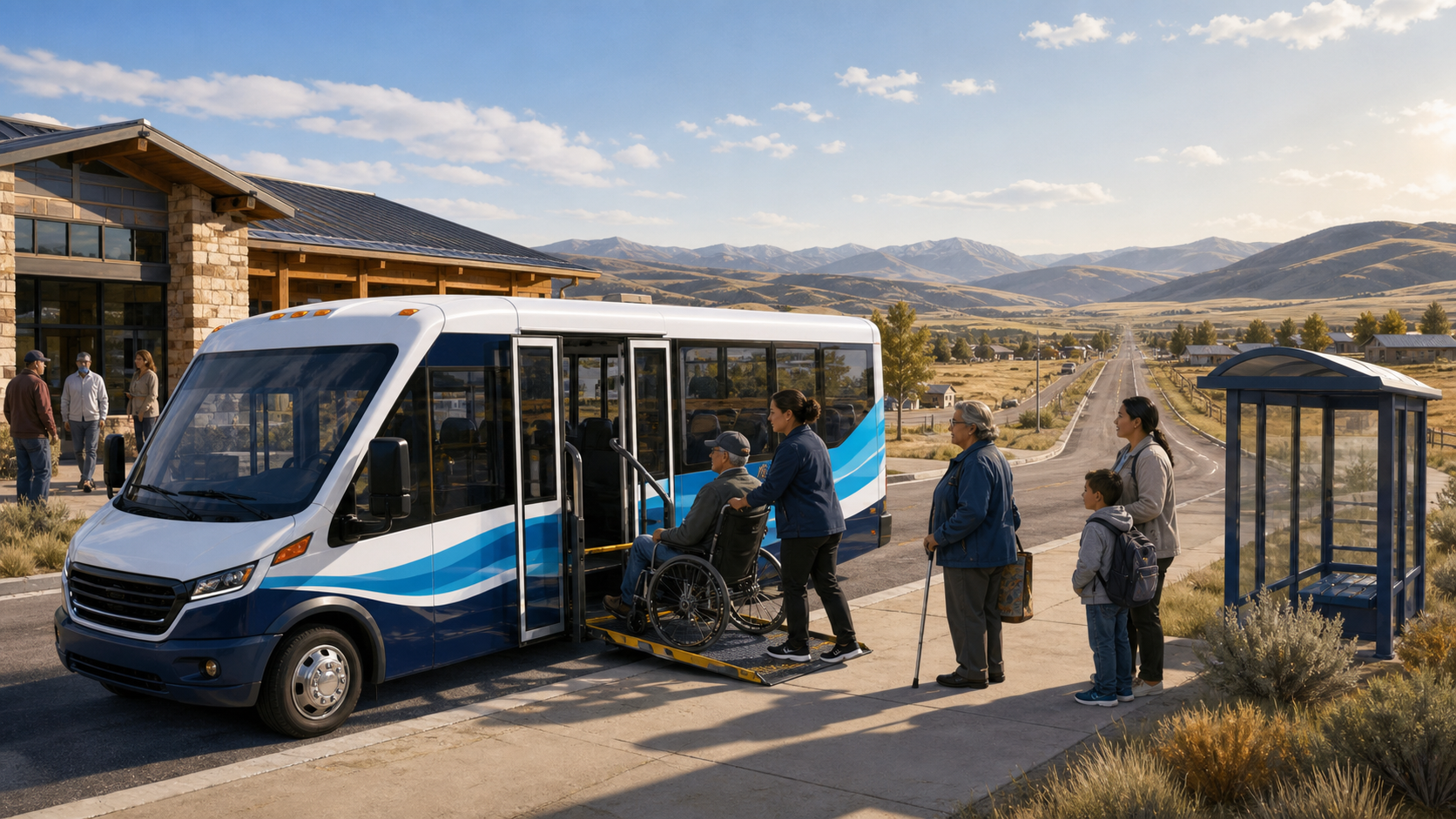
Accessibility should be visible throughout the application rather than isolated in one paragraph. The project description, vehicle or facility specifications, service plan, customer information and implementation budget should support usable transportation for the people the program is intended to serve.
Submission confirmation matters
FTA’s notice says applications must be submitted electronically through Grants.gov. Applicants should retain confirmation records and watch for rejection or validation messages that may require correction before the deadline.
The immediate lesson is straightforward: final review should protect a strong project from preventable administrative failure. Confirm authority, reconcile the numbers, validate the attachments and leave time to respond if the submission system identifies a problem.